Can You Check My Hormones?
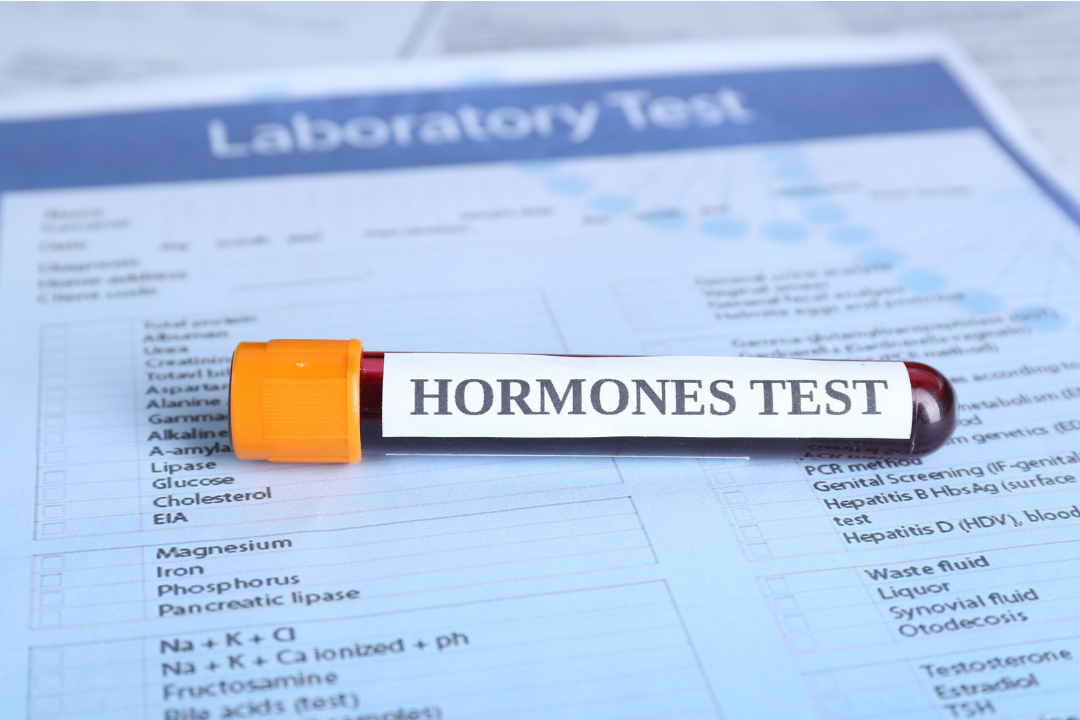
Recently, after watching a highly publicized trial centered around mental health, I made the mistake of reading comments online. One comment that appeared repeatedly was disbelief that the defendant’s psychiatrist had “not even checked her hormones!”
As a physician, I remember thinking: Which hormones? And what exactly are we expecting them to tell us?
Certainly, there are hormonal conditions that can affect mood and overall health. Checking thyroid function, for example, can be appropriate when evaluating symptoms such as fatigue, mood changes, or difficulty concentrating.
Lately however, I have noticed more patients asking me to “check my hormones.” They may be experiencing brain fog, fatigue, insomnia, irritability, weight changes, or simply feeling “off”. These symptoms can be debilitating and deserve evaluation. However, “checking hormones” is not quite as straightforward as social media sometimes makes it sound.
Here are three points I wish more people knew:
1. There is no single test that “checks your hormones.”
The human body produces dozens of hormones, each with different functions. Thyroid hormones, cortisol, insulin, estrogen, progesterone, testosterone, and many others are regulated in different ways. Asking to “check my hormones” is a little like asking to “check my blood.” There are many different hormone levels we can measure, and determining which ones are relevant depends on the symptoms being evaluated.
2. Normal hormone levels do not mean your symptoms are not real.
A person can have significant fatigue, poor sleep, brain fog, irritability, or other symptoms while hormone testing is completely normal. That does not mean “nothing is wrong.” It simply means the hormones tested did not provide the explanation, and we need to keep looking.
3. Good testing should answer a specific question.
Hormone testing can be incredibly useful when we know what question we are trying to answer. Is someone entering menopause when the diagnosis is otherwise unclear? Could symptoms be related to PCOS? Is difficulty becoming pregnant related to problems with ovulation? In situations like these, hormone testing may provide information that helps establish a diagnosis or guide treatment.
In medicine, a test is most useful when the result can help answer a specific clinical question or change what we do next. Testing simply because a test exists can sometimes create more confusion than clarity.
So, if you are not feeling like yourself, absolutely, talk with your physician. Depending on your symptoms, hormone testing may be an important part of the evaluation, or it may not be helpful at all.
I, for one, hope that in the future we will gain a better understanding of the role of certain hormones in various diseases, and be able to offer more targeted treatments.
Until then, the next time you see a health influencer online telling you to ask your doctor to “check your hormones,” consider asking two questions: Which hormones? And what will you do with that information?
After all, ordering the test is the easy part. Knowing what to do with the result is what matters.