Rethinking Cardiac Risk: A More Personalized Approach to Heart Health
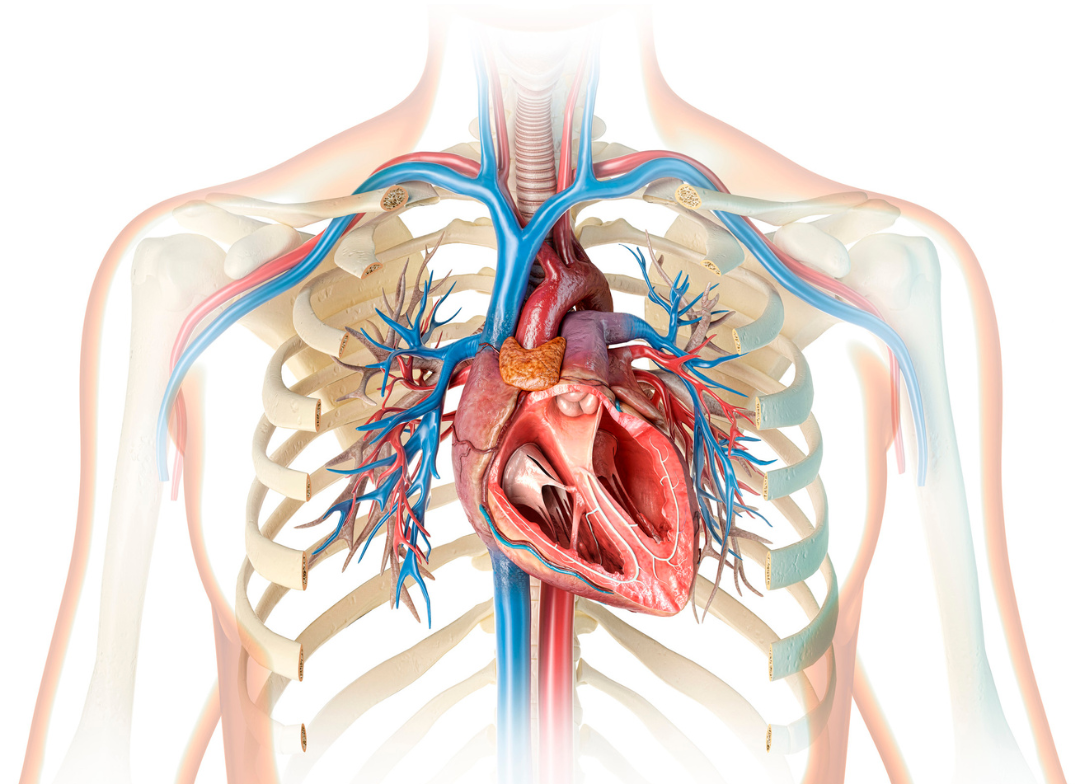
Heart disease remains the leading cause of death in the United States. About one in two American adults has at least one major risk factor, such as high blood pressure, high cholesterol, or smoking. Many people feel well and have no symptoms until a heart attack or stroke occurs.
When it comes to laboratory testing, for years prevention focused heavily on one number: LDL cholesterol, often called “bad cholesterol”. Lowering the LDL reduces risk, and it remains important. However, we now know that LDL alone does not always tell the full story.
Today, cardiac risk assessment looks at the whole person. Age, blood pressure, blood sugar, family history, smoking status, and lifestyle are all taken into account. In some situations, additional tests can help clarify the risk and guide decisions.
Apolipoprotein B (ApoB) is a protein component found on the surface of all potentially harmful cholesterol particles (not just LDL). Measuring ApoB provides a direct count of these particles, offering a more accurate assessment than LDL alone, particularly in people who struggle with weight gain around the midsection or prediabetes.
Lipoprotein(a), or Lp(a), is a genetically inherited cholesterol particle that is not included in a standard cholesterol panel. Elevated Lp(a) increases the risk of heart attack and stroke, even when other cholesterol numbers are normal. Because it is largely genetic, most people only need to test it once.
A Coronary Artery Calcium (CAC) score is a specialized CT scan that measures calcified plaque in the arteries of the heart. In people with borderline risk, this test can help determine whether additional treatment is likely to provide meaningful benefit.
Here is how these tests can help in the real world: imagine two friends with the same slightly elevated bad cholesterol (LDL) level. One runs marathons and has no family history. The other has a father who had a heart attack at 52 and just found out his Lp(a) is elevated. Their prevention plans will likely look different.
Cardiovascular prevention begins with the basics: a heart healthy diet, regular physical activity, healthy sleep, blood pressure control, and avoiding tobacco. However, in some cases additional treatment on top of healthy habits significantly lowers the chance of a future heart attack or stroke. The most effective approach is often a combination of lifestyle measures and, when appropriate, medical therapy tailored to the individual.
Heart disease is common, but it is largely preventable. A careful discussion with your primary care provider can help ensure your prevention strategy reflects your unique risk profile and long-term health goals.