Can What You Eat Affect Your Skin?
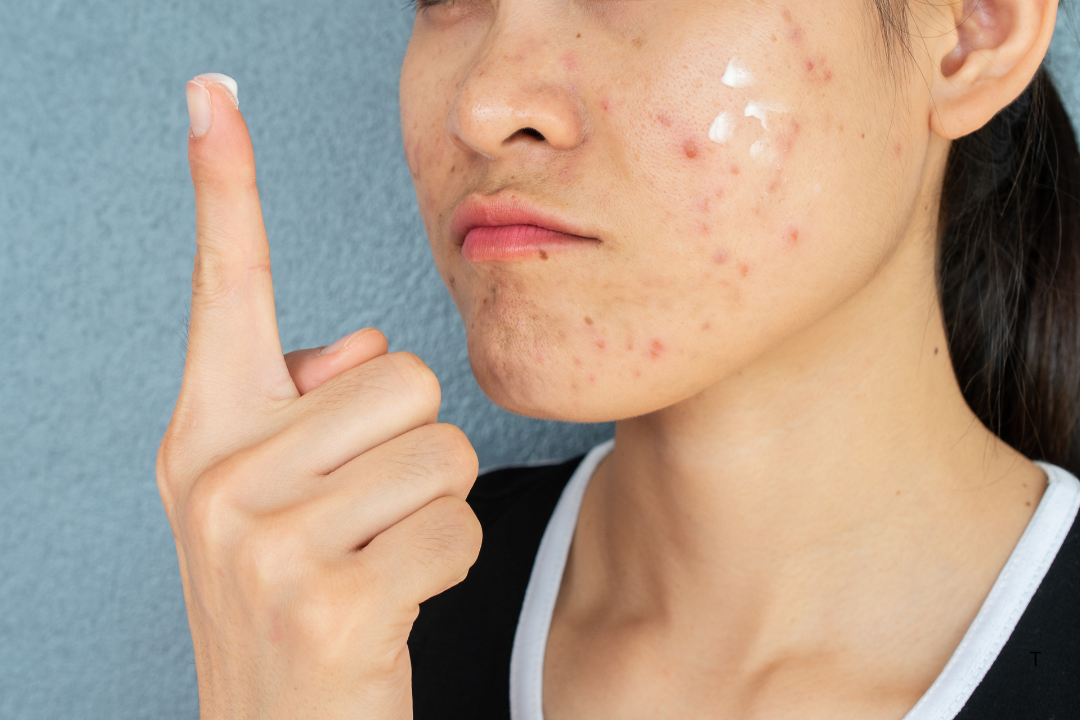
This is a question I hear often: “Can I improve my skin by changing my diet?”
It is a fair question. Skin conditions are very common and often chronic, so it is understandable that many people hope to manage them in more natural ways. In the United States, more than 80 million people live with conditions such as acne, eczema, psoriasis, and rosacea. When these conditions are diagnosed, the conversation usually centers around creams, prescriptions, or dermatologic procedures. Diet is discussed much less often.
The reality is that food rarely causes a skin condition on its own. However, in some situations diet can contribute to flare-ups.
Psoriasis
Among common skin conditions, psoriasis has the strongest evidence that diet can help as part of the treatment plan. It is important to emphasize that diet is generally used as a supportive strategy alongside medical therapy, not as a replacement.
The most consistent benefit has been seen with weight loss in people who are overweight. Studies show that losing weight through a calorie-controlled diet can improve psoriasis severity and quality of life
There is also growing evidence supporting a Mediterranean-style diet, which emphasizes vegetables, fruits, whole grains, legumes, fish, nuts, and olive oil.
Acne
Rosacea often flares when blood vessels in the skin dilate. Because of this, certain foods and drinks can trigger flushing. Alcohol, especially wine and liquor, appears to have the strongest association. Hot beverages and spicy foods are also commonly reported triggers. However, these vary widely from person to person.
Eczema
For eczema, diet is rarely the primary cause, especially in adults. Because of this, dermatology guidelines generally recommend against routine elimination diets.
Food allergy testing may be appropriate in specific situations, such as persistent eczema despite good topical treatment or a clear pattern of immediate allergic symptoms after eating a particular food. Even then, testing must be interpreted carefully with the guidance of an experienced medical professional.
The Bottom Line
There is no single “skin diet.” However, the same eating pattern that supports overall health tends to support the skin as well: mostly whole foods, balanced meals, healthy fats, and fewer highly processed foods.
While diet can sometimes influence skin conditions, it is rarely the only factor. Research provides helpful general guidance, but individual patterns matter as well. When patients suspect a particular food may be contributing to flare-ups, I often suggest starting with a simple symptom diary so we can review patterns together and guide more personalized treatment decisions.